Why Working with a Qualified Residential Electrician Is Critical for Your Safety
Choosing a reliable home electrician is vital for ensuring home safety. Electrical tasks demands careful attention and commitment to safety protocols. Faulty installations can cause significant risks, including fires and shocks. A certified electrician not only brings professional knowledge but also critical licensing and liability protection. Being aware of the hazards of DIY electrical work and the importance of hiring a professional can significantly improve home safety. What factors should homeowners evaluate when choosing the best professional for their electrical needs?
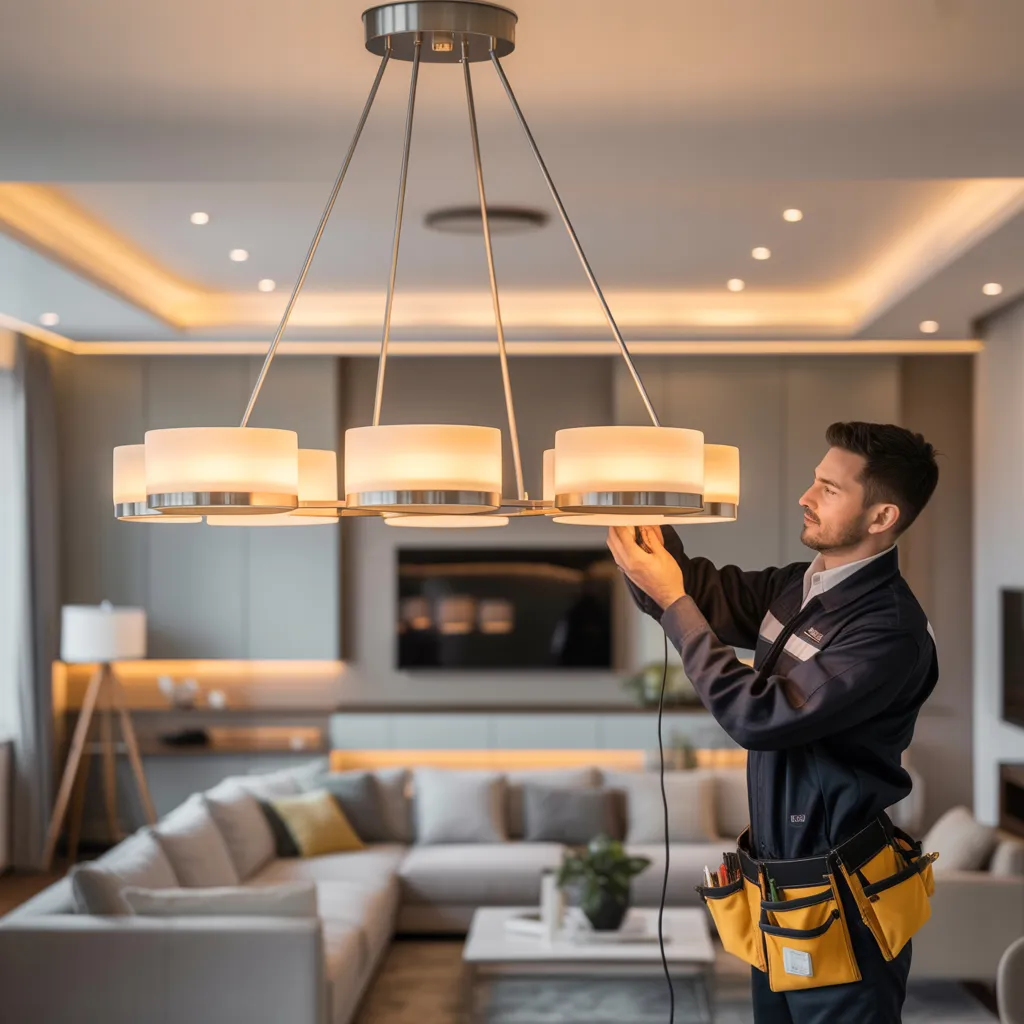
The Dangers of DIY Electrical Work
Attempting electrical projects yourself can lead to serious dangers that often outweigh any possible cost benefits. A large number of homeowners fail to appreciate the challenges of electrical systems, which can lead to dangerous situations. Faulty wiring, for instance, can result in electrical fires, endangering lives and property. Furthermore, inadequate installation of outlets or fixtures may create hazards that are not immediately evident, posing long-term safety risks.
Electrical codes and regulations exist for a reason, guaranteeing safety and compliance. Non-compliance with these regulations can lead to legal consequences and issues during home inspections. In addition, attempting DIY electrical work can result in expensive repairs when problems occur, eliminating any upfront cost benefits. In the absence of proper training and hands-on experience, individuals may overlook critical details, creating a more hazardous outcome. Ultimately, engaging a trusted residential electrician is key to ensuring safety and regulatory compliance, providing peace of mind that only professional expertise can offer.
Typical Electrical Problems That Need Professional Assistance
A great number of homeowners may encounter common electrical issues that require the expertise of a licensed electrician. Flickering lights, commonly suggesting loose connections or faulty wiring, can pose serious safety risks. Additionally, constant circuit breaker interruptions may indicate electrical overloading or a short circuit, both of which require immediate attention. Another common issue is non-functional outlets, which can arise from various problems, including wiring faults or faulty devices. Homeowners may also notice buzzing or sizzling sounds from outlets and switches, pointing to electrical arcing or compromised components. Furthermore, an unexpected rise in energy costs might indicate concealed electrical issues. To conclude, the detection of a burning odor near electrical fixtures should not be overlooked, as it can suggest severe electrical risks. Tackling these concerns without delay with the assistance of a professional electrician guarantees not only the safety of the home but also the longevity of its electrical systems.
How to Select a Qualified Electrician
When choosing a certified electrician, it is important to confirm their qualifications and certifications to confirm compliance with local requirements. Additionally, reviewing their expertise and background can help determine their capability to address specialized electrical work. This detailed review helps homeowners arrive at knowledgeable choices and prioritize safety.
Verify Credentials And Licenses
To guarantee the quality and safety of electrical services, checking the credentials and licenses of a prospective electrician is essential. This process ensures that the electrician has completed the necessary training and education to execute electrical work efficiently and safely. A qualified electrician has passed specific exams and adheres to local and national electrical codes, which shields homeowners from possible hazards. It is wise to obtain copies of licenses and confirm their authenticity through local licensing authorities. Furthermore, checking any professional affiliations or credentials can further indicate expertise. By implementing these measures, homeowners can substantially lower the risk of hiring unqualified individuals, thereby enhancing both safety and overall satisfaction with the electrical services provided.
Gauge Experience And Expertise
Evaluating the background and qualifications of an electrician is vital for guaranteeing high-quality work. A skilled electrician should have a well-established background in home electrical systems, ideally with multiple years of hands-on experience. This expertise can be assessed through client testimonials, web-based feedback, or professional references. Moreover, specialized training or certifications, such as those in smart home technology or energy management, can indicate a greater degree of skill. It is also helpful to ask about past work aligned with the homeowner's needs, as this can reveal details about the electrician's troubleshooting capabilities and versatility. Ultimately, choosing an electrician with a proven track record enhances the chance of securing dependable and high-quality electrical work.
Why Licensing and Insurance Are Important When Selecting an Electrician
Selecting a residential electrician involves careful consideration of a number of factors, with licensing and insurance being essential. A credentialed electrician demonstrates a degree of professionalism and adherence to industry standards, ensuring reference they hold the essential expertise and skills to perform electrical work in a safe and competent manner. Licensure additionally acts as a safeguard for property owners, as it commonly necessitates meeting examination requirements and pursuing continued education.
Insurance is equally important, covering both the electrical professional and the homeowner. In the event of accidents or damages during a project, insurance may cover repair expenses and liability claims, minimizing financial risk for homeowners. In the absence of adequate insurance, homeowners could be held liable for injuries or property damage. Thus, verifying an electrician's licensing and insurance is vital for ensuring a safe and reliable electrical installation, ultimately enhancing the overall safety and soundness of the home's electrical system.
Essential Maintenance Tips for a Safe Home Electrical System
Regular maintenance is essential for guaranteeing a reliable home electrical system. Property owners should periodically check outlets and switches for any signs of wear or damage, such as discoloration or unusual heat. It is also recommended to inspect circuit breakers to confirm they are functioning correctly and to reset any tripped breakers promptly. Maintaining electrical panels free from dust and debris can improve safety and ease of access in emergency situations.
Additionally, homeowners ought to avoid overloading circuits by evenly distributing electrical loads among outlets. Using surge protectors can assist in safeguarding appliances from power surges. Periodically testing smoke and carbon monoxide detectors is essential, as they are key to household safety. Finally, hiring a qualified electrician for routine annual checkups can uncover potential concerns in advance and verify the electrical system functions efficiently, upholding a safe living environment for all members of the household.
Evaluating Customer Reviews: What to Look For?
When looking for a dependable home electrician, consumer feedback serves as an essential guide for making informed decisions. Future clients should focus on key details within these reviews to gauge the electrician's competence and dependability. First, look for comments on the quality of work completed; consistent praise for neatness and thoroughness is a good sign. Next, assess the electrician's communication skills; reviews emphasizing quick communication and transparent information demonstrate a high level of professionalism.
Furthermore, take into account opinions on timeliness and compliance with project timelines, as this demonstrates the electrician's regard for clients' time. Lastly, take note of how concerns are resolved; a responsive electrician demonstrates a focus on customer satisfaction. By evaluating these essential criteria in customer reviews, clients can more easily recognize electricians who emphasize professionalism and safety in their work.
Common Questions and Answers
What Qualifications Should I Consider When Choosing an Electrician?
When choosing an electrician, one should prioritize qualifications such as appropriate licensing, proper insurance, relevant certifications, experience in residential work, favorable customer feedback, and compliance with safety standards. Such criteria secure consistency and excellence in electrical services.
How Do I Confirm an Electrician's Qualifications?
To confirm an electrician's credentials, you should review appropriate licensing, coverage, and professional certifications. In addition, reviewing online reviews and seeking referrals from trusted sources can provide insights into their skill level and trustworthiness.
What to Expect During an Electrical Inspection?
Throughout an electrical inspection, one can expect a comprehensive assessment of panels, wiring, and outlets. The licensed electrician will check for code compliance, safety hazards, and carry out required tests to ensure the electrical system performs properly and efficiently.
In What Ways Do Electrical Codes Affect My Home?
Electrical codes define safety standards that ensure safe and efficient installations. They govern wiring, grounding, and equipment requirements, working to prevent dangers like fires and electrical shocks, ultimately securing both property and residents.
What Are the Qualities of a Reliable Electrician?
A good electrician demonstrates timeliness, holds appropriate certifications, communicates clearly, delivers thorough estimates, and displays exceptional problem-solving abilities. Additionally, positive customer reviews and a solid warranty on work are key indicators of reliability and professionalism.